
Rising global tensions tied to actions by the United States — particularly the escalation of conflict involving Iran—are starting to hit closer to home for New Zealanders. While the situation may seem far away, it’s having a very real impact at the petrol pump, and that’s beginning to ripple through the wider economy.
The main issue comes down to oil supply. The conflict has created instability around the Strait of Hormuz, a key shipping route that handles about 20% of the world’s oil. When that flow is threatened, even slightly, global oil prices tend to spike quickly. Markets react fast to uncertainty, and right now, there’s plenty of it.
When oil prices go up internationally, petrol prices here follow almost immediately. That’s why drivers across the country are seeing noticeable jumps at the pump, with prices climbing very quickly over recent times.
But it doesn’t stop with fuel. Higher petrol prices push up costs across the entire economy. Businesses that rely on transport—freight companies, supermarkets, construction firms—end up paying more to operate. Those extra costs usually get passed on to consumers, which means higher prices for everyday goods and services.
Once inflation starts creeping up, it can become a bigger problem than just expensive petrol. People begin to expect prices to keep rising, and that can change behaviour. Workers may push for higher wages, businesses may increase prices pre-emptively, and suddenly inflation becomes more entrenched. It’s not just a short-term spike anymore—it starts sticking around.
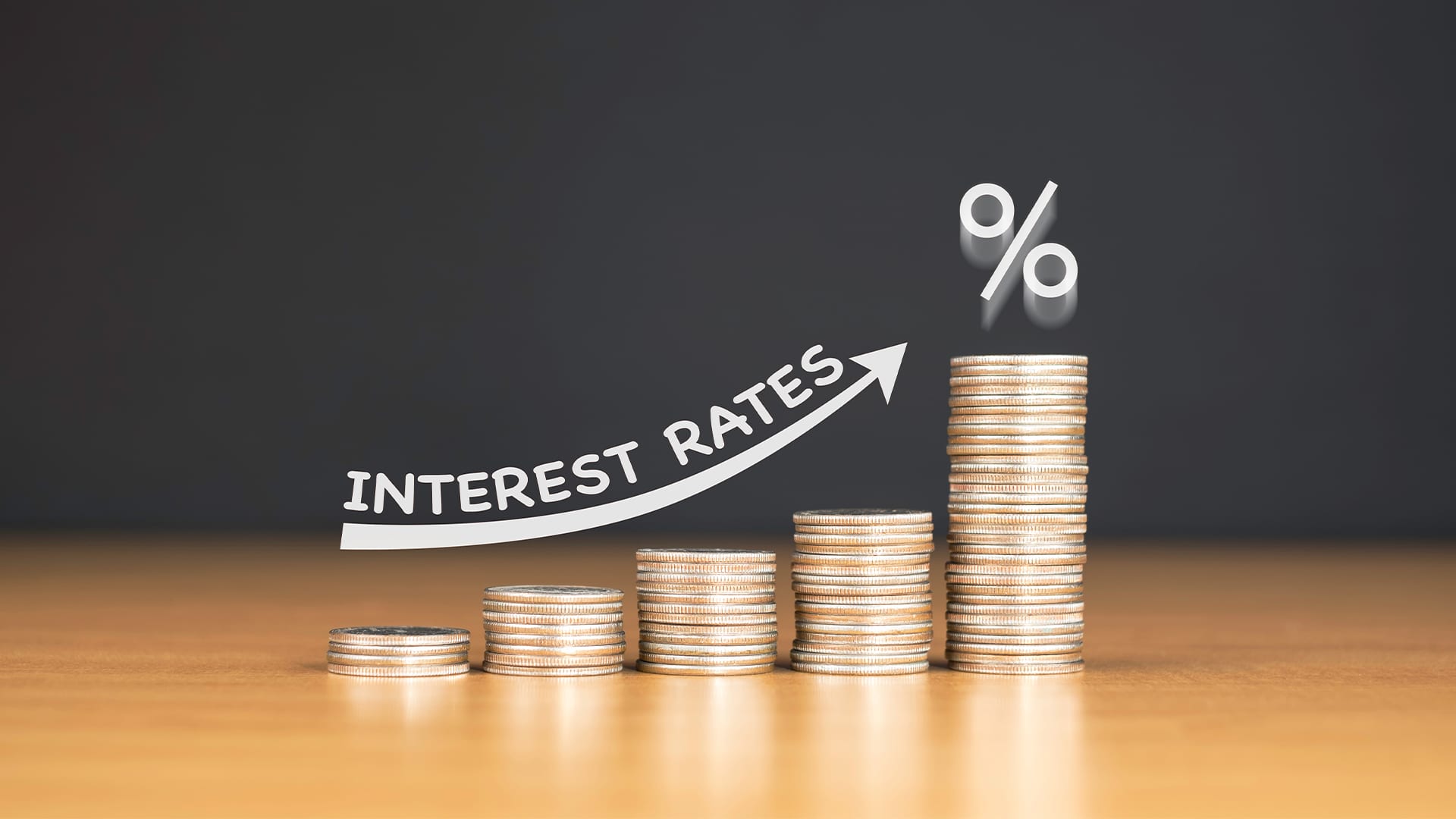
That’s where interest rates enter the picture. The Reserve Bank of New Zealand is responsible for keeping inflation under control. If inflation starts pushing beyond its target range, the bank’s main tool is raising interest rates to cool things down. Higher rates make borrowing more expensive, which tends to slow spending and bring inflation back under control.
The problem is, higher interest rates also mean higher mortgage costs. Even if the central bank doesn’t act immediately, banks often adjust their mortgage rates based on where they think things are heading. So if inflation looks like it’s going to stick around because of high fuel prices, borrowers could still feel the squeeze.
For many New Zealanders already dealing with high living costs, this is an unwelcome development. While no one can say exactly how long the conflict—or its economic impact—will last, it’s clear that events on the other side of the world are playing a bigger role than ever in shaping what we pay here at home.
We have already seen significant jumps in mortgage rates with some banks who were offering the popular 2-year rate at 4.69% only a very short time ago to some lenders having now increased this to 5.09% (although it is still possible to get slightly better than this in some cases).
We have moved very quickly from the concern being around our domestic inflation to events overseas becoming the key point of concern. It may pay to look to hedge rate options (fix over several different terms) while there is concern around how long this situation may go on for.
If you're looking for some advice around what to do with your mortgages, please get in touch with us now.