

Most homeowners assume they’re stuck with their current mortgage rate until their fixed term ends.
That’s not always true.
.png)
If you’ve been scrolling through property listings lately, you know the "perfect" homes come with a massive "perfect" price tag. As a Mortgage Adviser, I’m seeing more and more Kiwis win by taking a different path: Buying the house that needs a bit of love. In 2026, "Sweat Equity" - trading your weekend DIY hours for actual bank balance growth - is the smartest way to get your foot in the door. Here is how the strategy works in plain English.
.png)
Most homeowners haven’t reviewed their mortgage since the day they signed it - and that could be quietly costing them thousands.
We’re a few weeks into the new year and while many of us have set goals around health, career, or lifestyle, there’s one area
that often gets overlooked:
.png)
We’ve officially kicked off 2026, and for many first-home buyers, the conversation has shifted. It’s no longer about "one day" or "eventually", it’s about being in the best possible position to move when the right house hits the market.
When it comes to money, sticking with what you know feels good. Many of us have banked with the same institution since we were teenagers.
It’s familiar, convenient, and feels like the simplest path forward.
So when it’s time to get a mortgage - often the biggest financial commitment you’ll make - heading straight to your bank can
feel like the natural next step.
.png)
A mortgage. A car loan. A credit card balance. Juggling multiple high-interest debts alongside your home loan is stressful and expensive.
Many homeowners don't realise they are sitting on the most powerful tool to fix this: their mortgage.
Consolidating your debt into your home loan isn't just a "life hack" for those in trouble; it's a smart, proactive financial strategy. It’s
about taking a messy pile of bills and reshaping it into one simple, manageable payment at a much lower interest rate.
.png)
With energy bills and transport costs remaining a top concern, many homeowners are looking for ways to make their homes warmer and cheaper
to run.
The good news is that banks are making this easier and more affordable than ever.
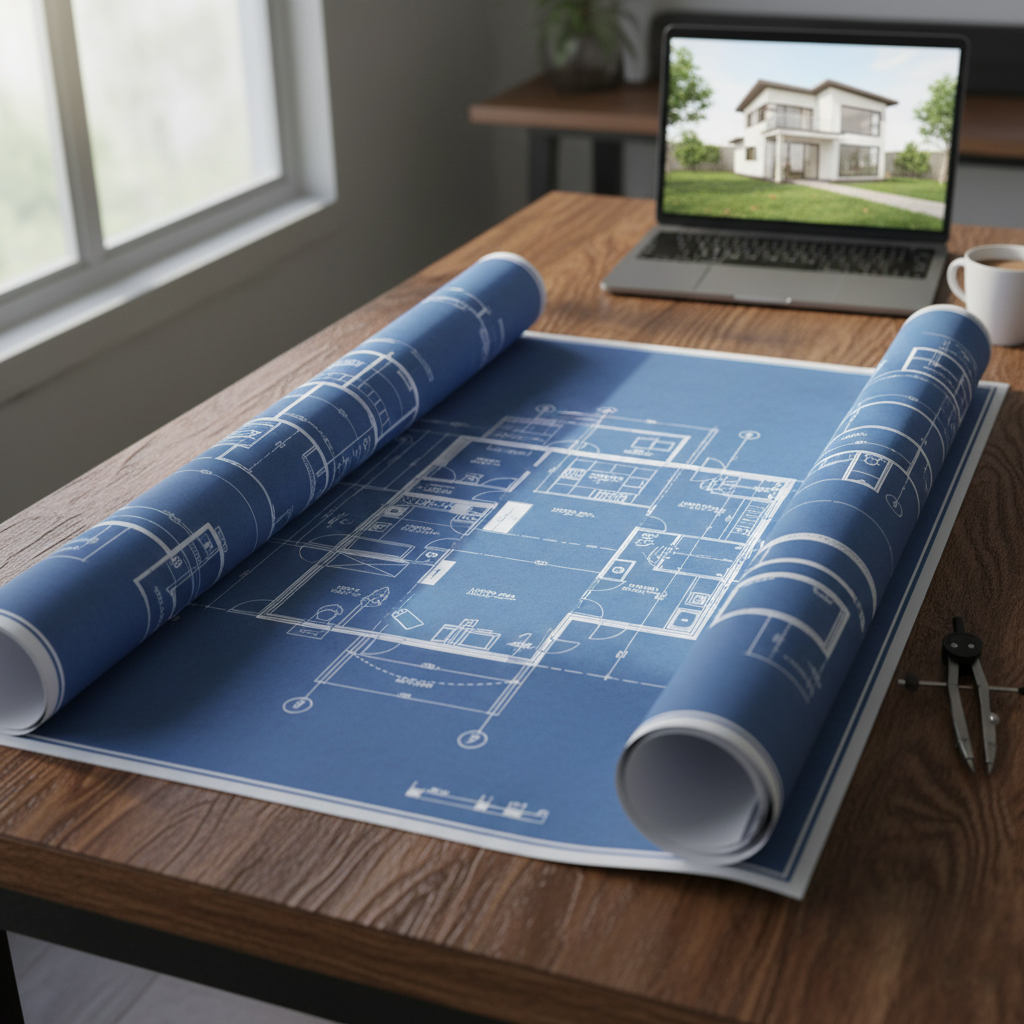
Buying bare land to build on is a fantastic goal, but it's a very different financial journey than buying an existing house.
The deposit rules are stricter, the loan types are different, and the process is far more complex. In this article, I'll walk you through
the essentials so you can start your building journey with confidence.
.png)
When it comes to getting a mortgage - the default option is to walk straight into your main bank. It feels safe, familiar, and easy.
But the most important question is: are you actually getting the best deal, or just the most convenient one?

For the past few years, anyone trying to buy their first home could be forgiven for feeling hopeless. We've seen a frantic seller's market,
sky-high prices, and then a rapid spike in interest rates that crushed affordability.
But the market has shifted.
.png)
After a period of rising costs, seeing interest rates begin to fall is a welcome relief for homeowners across New Zealand. While it’s
tempting to simply enjoy the extra cash in your account, this moment presents a powerful strategic opportunity to either improve your cash
flow or significantly accelerate your journey to being mortgage-free.
But what's the right move for you? It generally comes down to two common scenarios.

It’s the most common question I get from aspiring homeowners: "Do I really need a 20% deposit to buy a property?"
The short answer is no, but it certainly helps. While a 20% deposit is the traditional "gold standard," it's important to
understand why it's so beneficial, and what your options are if you're not quite there yet.